CASE UPDATE // OCTOBER 2026
THE BATHS BENEATH THE TEMPLE
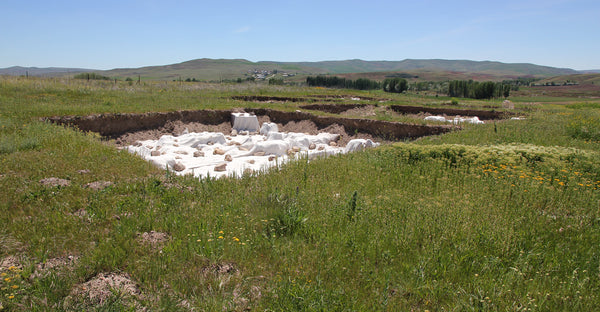
Archaeologists have uncovered an exceptionally preserved Second Temple-period purification complex at the foot of Jerusalem’s Temple Mount.
They were not looking for a Bible verse. They were excavating the Ophel, immediately south of the Temple Mount. What emerged was a physical system built for purification: three large public ritual baths, a monumental plastered pool, a paved forecourt, water channels—and coins from the revolt that ended with Jerusalem burning in 70 CE.
This does not prove that Jesus personally used these particular baths. It does something archaeology is much better at doing: it reconstructs the world around the record.
EXHIBIT A // THE COMPLEX
The excavations were directed by Prof. Uzi Leibner and Prof. Orit Peleg-Barkat of the Hebrew University of Jerusalem. The complex lies near the “Triple Gate,” one of the principal ancient approaches to the Temple Mount.
At its center is a large plastered pool measuring approximately 12 × 9.5 meters (39 × 31 feet), with steps descending from all four sides. Northwest of the pool stands a finely built ashlar structure containing four rooms. Three were identified as large public ritual baths, or mikva’ot. Altogether, the complex covers about 280 square meters (roughly 3,000 square feet).

One ritual bath survives to its full height of about 4.2 meters (14 feet), including its stone vault and water-supply shaft—an unusually complete Second Temple-period structure in Jerusalem.
FILE 02 // WHY WERE THEY BATHING?
A mikveh was not an ancient swimming pool. It was part of Jewish ritual purification. By the Second Temple period, purpose-built ritual baths were widespread in Jewish communities.
The location and scale of this complex led the excavation directors to interpret it as infrastructure connected with the enormous numbers of Jewish pilgrims approaching the Temple. Passover, Weeks and Tabernacles brought pilgrims to Jerusalem. Ritual purity mattered before entering sacred space.
What can feel abstract on a printed page now has stairs, plaster, drains and stone walls.
EXHIBIT B // THE WATER SYSTEM
The baths and pool connected to an extensive drainage system. Large channels carried water toward the Kidron Valley, in places surviving more than two meters high. Researchers say the scale suggests large volumes of water moved through the system and have raised the possibility that it received running water from a branch of the aqueduct supplying the Temple. That possibility remains an interpretation under investigation.
FILE 03 // THEN THE COINS APPEARED

The complex did not simply fade away. Its archaeological record ends in the catastrophe that consumed Jerusalem.
Excavators recovered dozens of coins from the First Jewish Revolt against Rome on the floors and within destruction debris. The revolt began in 66 CE. In 70 CE, Roman forces captured Jerusalem and destroyed the Second Temple.
The purification complex met its end in that same destruction horizon.
The people disappeared. The Temple burned. The baths were buried. The coins stayed behind.
EXHIBIT C // THE TEMPLE WAS RIGHT THERE

The geography is one of the strongest parts of the case. This is not a vaguely “Jerusalem-area” discovery. The complex sits immediately south of the Temple Mount, near a major ancient approach.
And archaeologists found something underneath it.
Beneath the monumental complex was an earlier public purification facility, also containing a large ritual bath and probably dating to the first century BCE. That suggests ritual-purification activity at this location extended across generations.
CROSS-REFERENCE // THE NEW TESTAMENT WORLD
This is where the case requires discipline.
Archaeology has not established that Jesus used these baths. It has not established that a named apostle used them. No inscription identifies a New Testament figure.
But the discovery illuminates the physical and religious environment described by New Testament texts. The Gospels repeatedly place Jesus in Jerusalem and at the Temple. John refers to Jewish purification practices and, in John 2:6, stone water jars associated with “the purifying of the Jews.” Acts begins the earliest Christian movement in Jerusalem.
The baths do not independently authenticate those individual events. They demonstrate that the purification culture assumed by the texts belonged to a real, archaeologically visible first-century Jerusalem.
EXHIBIT D // 25 TONS OF CORROBORATION
Jerusalem is not the only recent discovery. At Kiryat Gat, Israel Antiquities Authority archaeologists uncovered another roughly 2,000-year-old Jewish ritual bath during construction work in the Carmei Gat neighborhood.
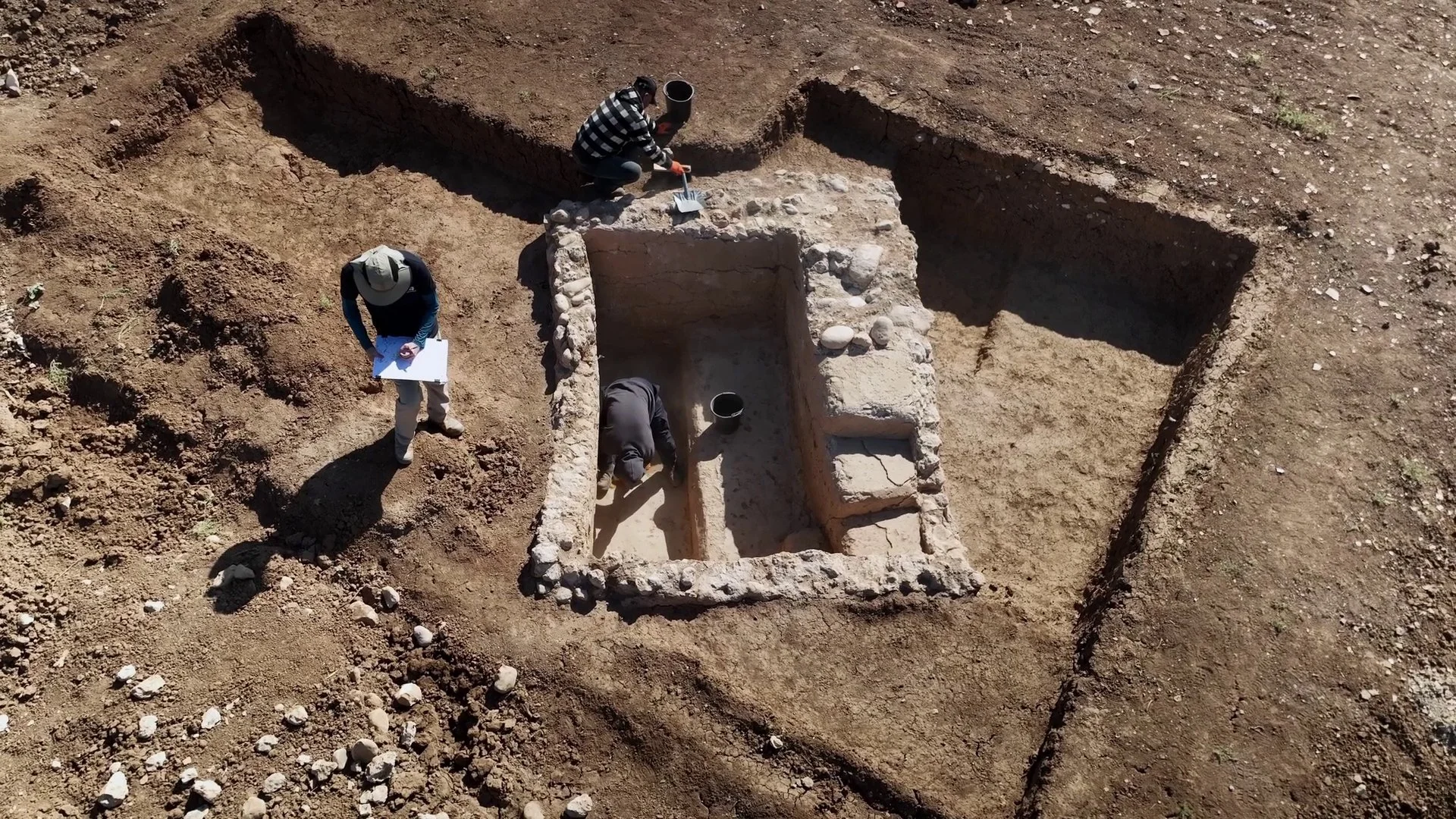
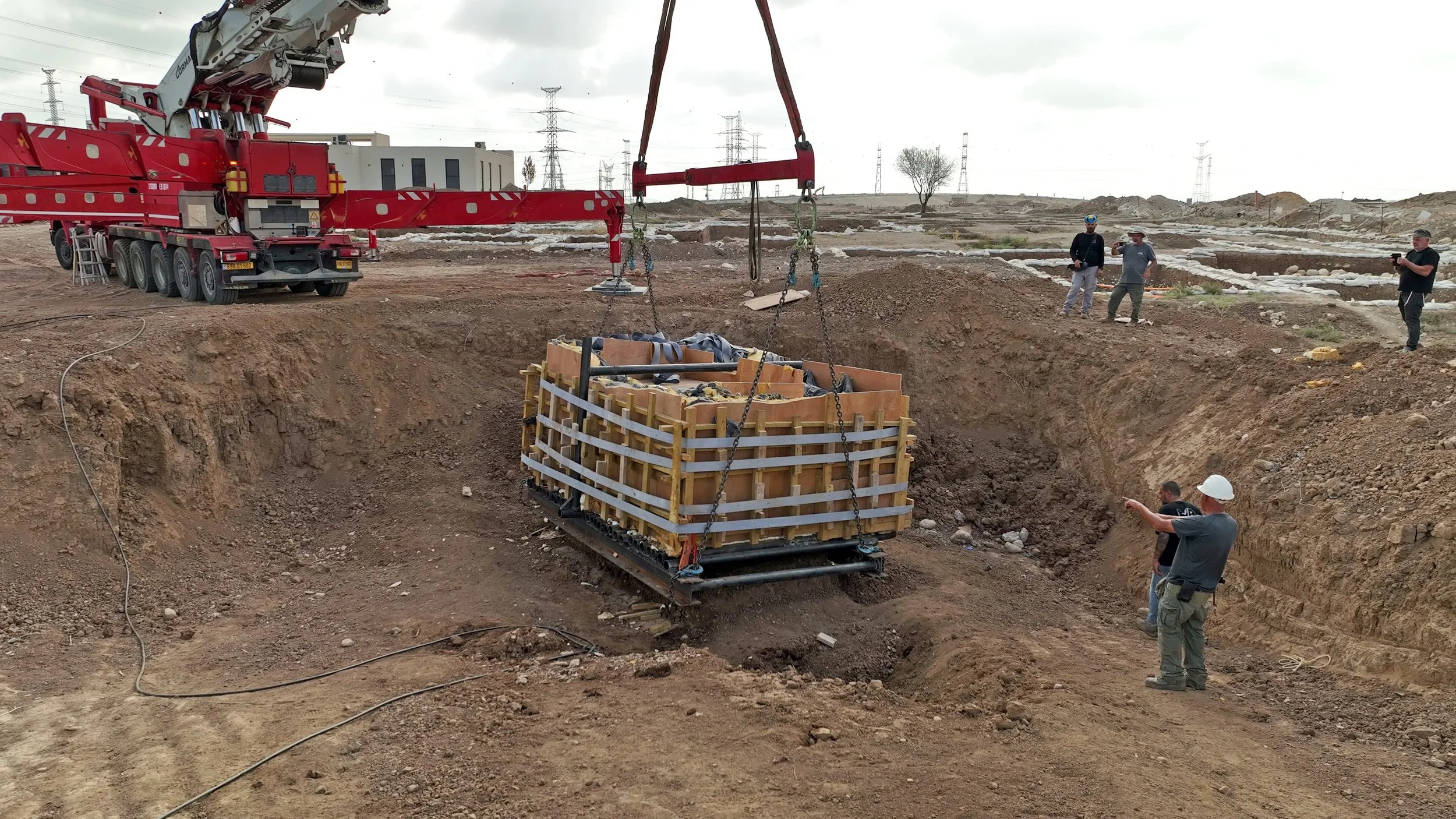
The structure weighed approximately 25 tons. Conservators excavated around it, inserted steel beams beneath it, protected the ancient plaster and prepared the entire structure for relocation rather than destroying it during development.
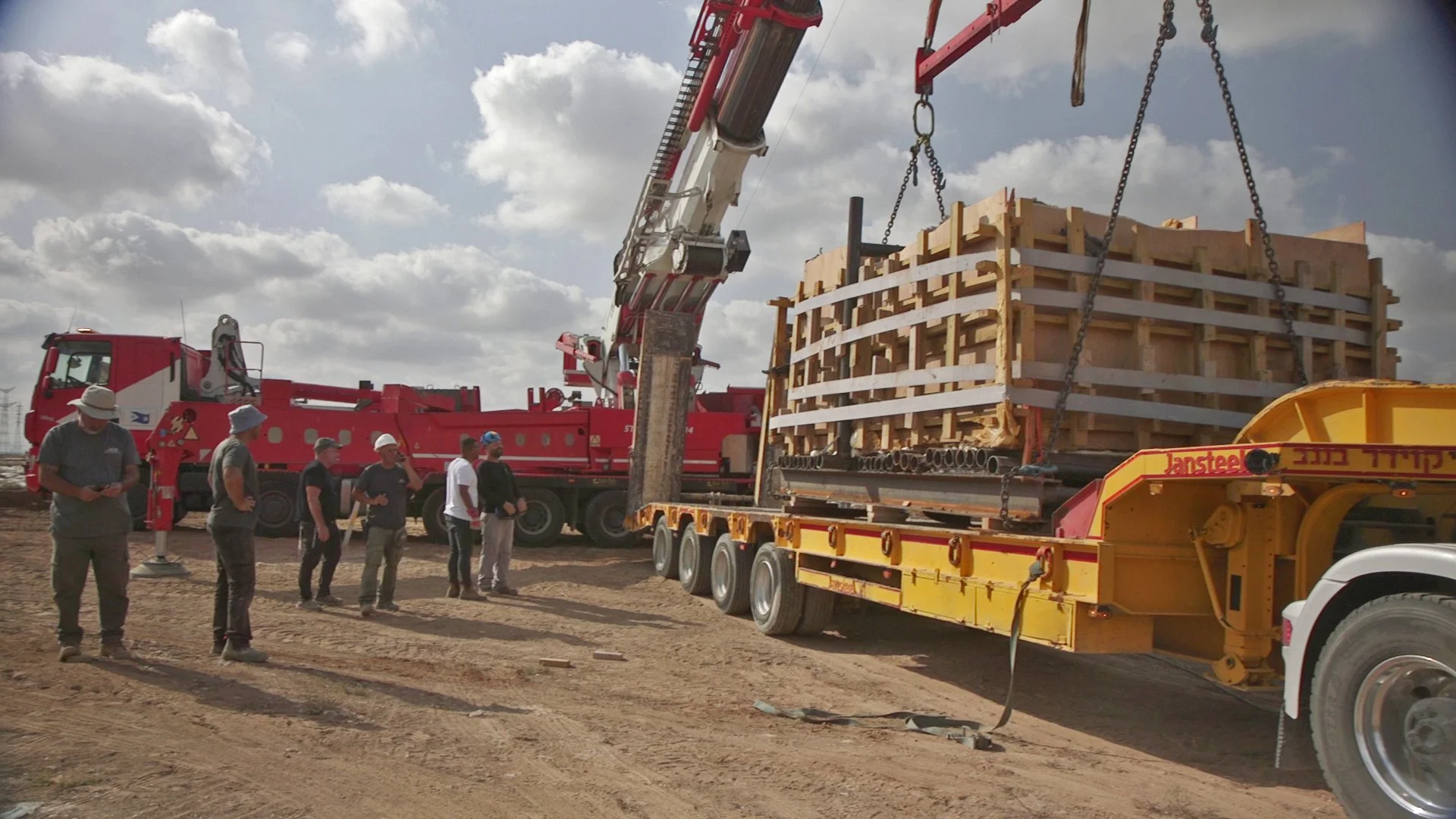
The same excavation produced stone measuring vessels associated with Jewish purity practice. The IAA says the finds revealed a previously unknown Jewish settlement in this transition zone between the Judean Lowlands and northern Negev. Evidence suggests the settlement was abandoned during the Bar Kokhba Revolt in the second century CE.
HOSTILE WITNESS // WHAT THIS DOES NOT PROVE
DOCUMENTED: A monumental Jewish purification complex existed immediately south of the Temple Mount in the late Second Temple period. It contained multiple ritual baths, a large pool, public space and extensive water infrastructure. First Revolt coins were recovered from its destruction context. An earlier purification facility existed beneath it. A separate approximately 2,000-year-old mikveh and ritual-purity-related stone vessels were excavated at Kiryat Gat.
INFERENCE: The Jerusalem complex most likely accommodated Jewish pilgrims preparing to approach the Temple. Its location, scale and architecture strongly support a public purification function.
NOT ESTABLISHED: That Jesus used these particular baths. That a named apostle used them. That the discovery independently proves a specific New Testament event.
Those claims would move beyond the evidence. This case does not need them.
WHY THE DISCOVERY MATTERS
It is easy to imagine the New Testament floating in a religious world disconnected from physical history. Archaeology keeps recovering pieces of that world: roads, coins, pools, stone vessels, synagogues, fishing towns and burial practices.
Now, immediately beside the Temple Mount, archaeologists have exposed a major purification complex from the same historical world in which the Gospel accounts are set.
Archaeology cannot tell us everything that happened there. But it can test whether the surrounding world existed.
Here, the stones answer.
CASE STATUS
DOCUMENTED — ARCHAEOLOGICAL CONTEXT CONFIRMED
The Ophel complex provides unusually well-preserved physical evidence of Jewish ritual-purity infrastructure immediately beside Jerusalem’s Temple Mount during the late Second Temple period. Its connection to specific New Testament individuals remains unproven. Its connection to the historical world surrounding those texts is direct and archaeological.
RECEIPTS // CONTINUE THE INVESTIGATION
Hebrew University / AFHU — Second Temple purification complex announcement
Hebrew University release via Phys.org — excavation details and images
Friends of the Israel Antiquities Authority — Kiryat Gat 25-ton mikveh
File updated. Case not closed.
10% off your first order.
Plus new Case Notes, Gospel Noir releases and store updates.